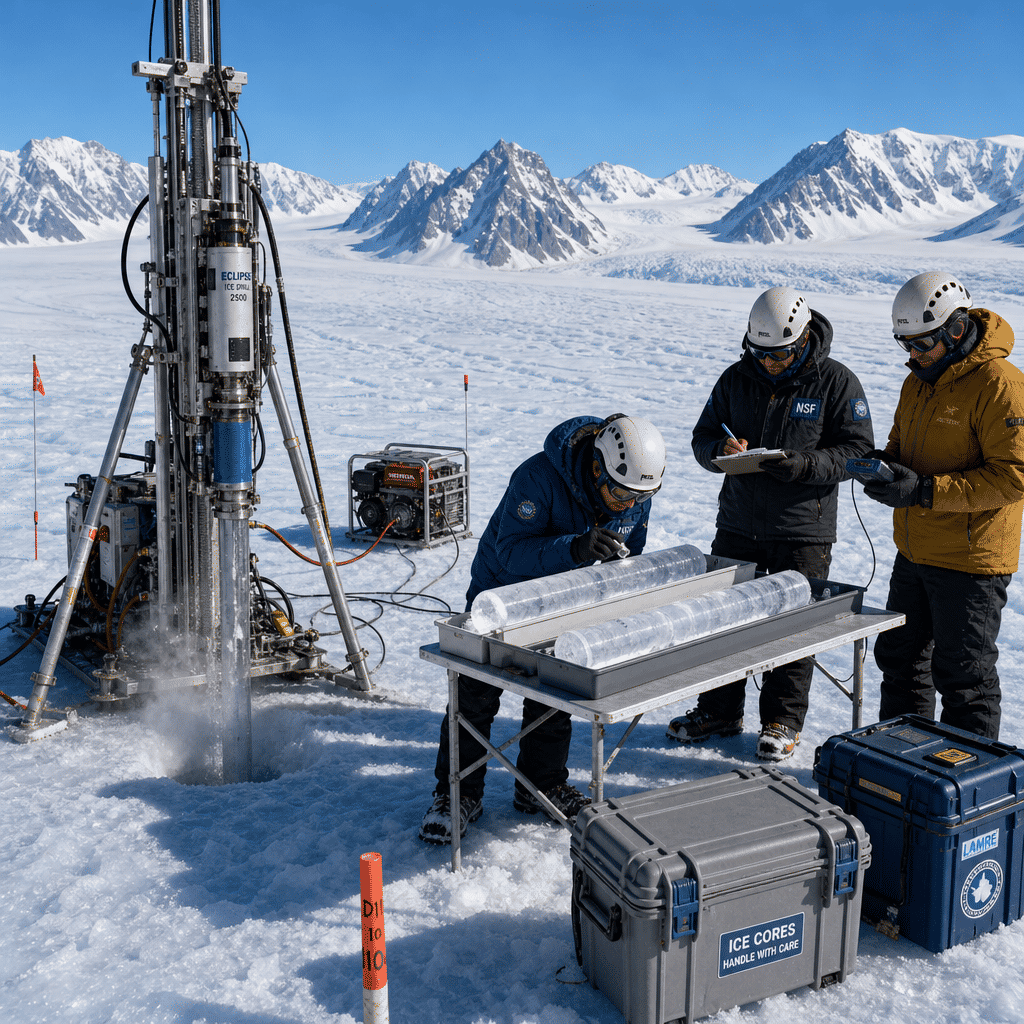
In the silent, frozen expanses of the Earth's polar regions, ice stretches as far as the eye can see, forming a formidable barrier to the secrets hidden beneath. These vast sheets of ice are not just remnants of ancient epochs; they are dynamic worlds, rich with untold stories that have been locked away for millennia. Through the lens of subsurface exploration, scientists are now embarking on a journey into this icy abyss, unveiling mysteries that could reshape our understanding of the planet's past and its climate future.
The allure of the glacial subsurface lies in its potential to act as a time capsule, preserving layers of atmospheric gasses, trapped life forms, and geological formations that provide invaluable insights into Earth’s history. One of the most thrilling aspects of subsurface exploration is its ability to reveal climatic shifts that have occurred over thousands of years. Glacial ice encases tiny bubbles of ancient atmosphere, offering scientists a direct snapshot of past climate conditions. By analyzing these ice cores, researchers can reconstruct the Earth's climate record, identifying patterns and changes that inform predictions of future climate scenarios.
Beneath the ice, there is also the tantalizing possibility of discovering life forms that have been isolated for epochs. Extremophiles, organisms that thrive in conditions once considered inhospitable, could provide clues about the adaptability of life and its potential on other planets. Subsurface exploration delves into these frozen biomes, utilizing advanced technology such as remotely operated vehicles (ROVs) and autonomous drones equipped with cutting-edge sensors. These tools allow scientists to navigate the harsh and inaccessible terrain, peeling back layers of ice to unearth microbial life forms adapted to extreme cold and pressure—a testament to life's resilience.
Furthermore, the subsurface exploration of glacier-covered landscapes reveals the intricate patterns of subglacial water systems. These hidden rivers and lakes, concealed beneath thick ice, play a crucial role in the movement and melting of glaciers. Understanding these subglacial hydrological networks is essential in predicting glacier behavior and the resulting rise in sea levels. Sophisticated radar and sonar equipment penetrate the icy shields, mapping the mysterious water bodies and providing critical data that help scientists model the changes occurring within glacier dynamics.
The endeavor of subsurface exploration is not without its challenges. Extreme weather conditions, technical difficulties, and the sheer remoteness of polar regions create significant logistical hurdles. Yet, the pursuit is fueled by the profound implications of the discoveries awaiting beneath the ice. As scientists venture further into the depths, they are propelled by the potential to unlock secrets that have been preserved for thousands of years, offering a window into the Earth’s intricate and interconnected systems.
In understanding these glacial secrets, we gain more than just historical insights; we obtain a clearer picture of the global processes that shape our environment. This knowledge equips humanity with the foresight needed to tackle imminent climatic challenges, ensuring that the mysteries of the past inform the stewardship of our planet's future. Through subsurface exploration, the icy realms that once seemed lifeless and isolating are transformed into vibrant frontiers of discovery, promising revelations that could redefine our relationship with this dynamic and ever-evolving Earth.