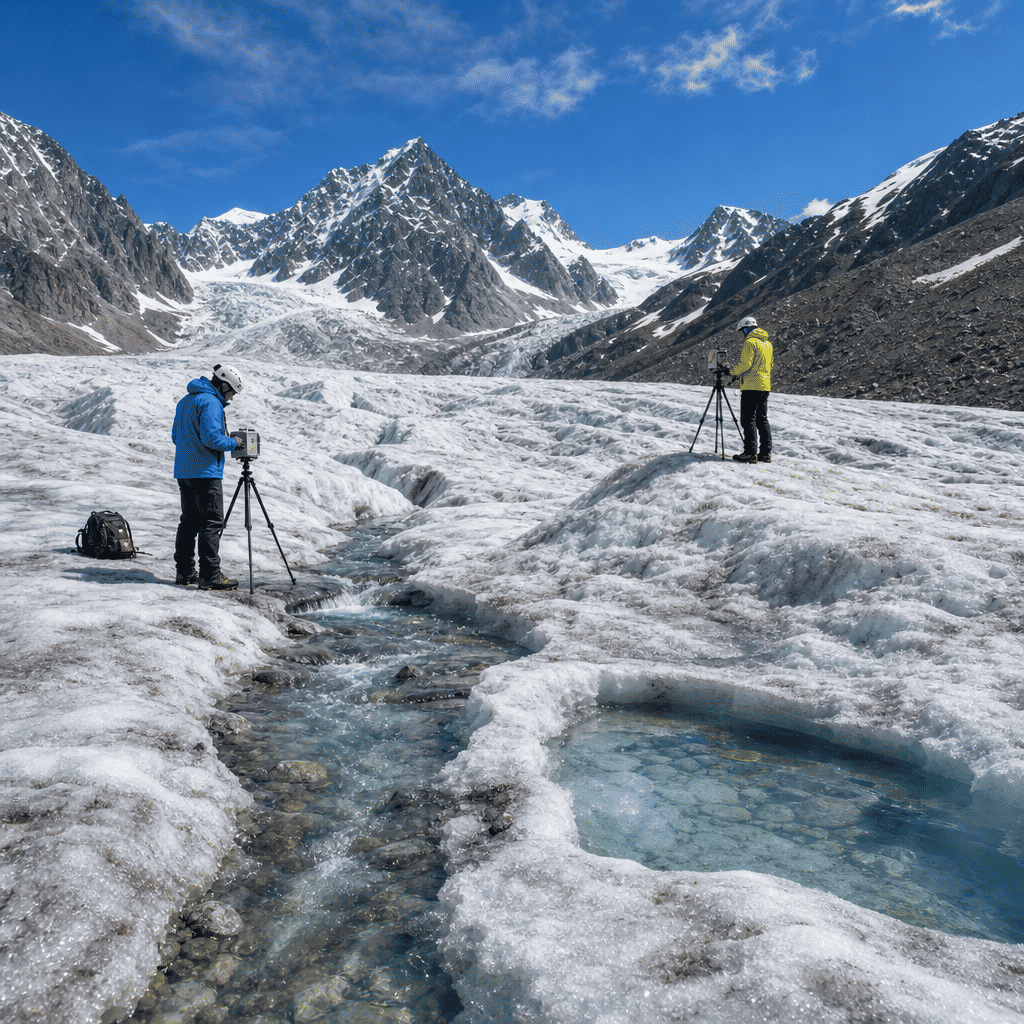
Understanding glaciers is an essential component in the study of climate change, as these massive ice structures serve as crucial indicators of environmental transformations. As pristine reservoirs of ancient climate data, glaciers offer scientists unparalleled insights into the Earth's historical temperature fluctuations, precipitation patterns, and atmospheric compositions. By analyzing ice core samples, researchers can track how our planet’s climate has evolved over millennia, helping to predict future climate trends and their potential impacts on global ecosystems.
In recent years, observations have revealed a rapid decline in global glacier mass, with many glaciers receding at unprecedented rates. This trend signals alarming changes in our climate system, primarily driven by human activities such as the burning of fossil fuels and deforestation. The retreat of glaciers not only contributes to sea-level rise but also disrupts ecosystems, water resources, and human communities dependent on these ice formations.
One of the critical challenges researchers face is accurately modeling and predicting these changes. Advances in technology, such as satellite imagery and high-resolution climate models, have significantly enhanced our ability to monitor glacier dynamics and project future scenarios. These tools, combined with traditional field studies, provide a comprehensive understanding of how glaciers interact with the broader climate system, including their role in reflecting solar radiation and influencing ocean currents.
Moreover, the study of glaciers extends beyond just climate predictions. It offers insights into tectonic activities and helps assess natural hazards such as glacial lake outburst floods, which can pose significant threats to communities living downstream. As glaciers melt and retreat, they unveil unique geological formations and previously buried archeological sites, expanding our understanding of Earth’s history and human civilization.
To support this critical research, partnerships between international scientific communities, policymakers, and local stakeholders are vital. Collaborative efforts can facilitate the development of sustainable strategies to mitigate the impacts of glacier melt and address broader climate change challenges. Public awareness and education initiatives also play a crucial role in fostering a global commitment to reducing greenhouse gas emissions and safeguarding these natural wonders.
In conclusion, the study of glaciers offers invaluable data essential for predicting climate change and its cascading effects on the planet. As our understanding of these icy giants deepens, it not only enhances our predictive capabilities but also drives home the urgency of addressing the anthropogenic factors accelerating climate change. Our continued investment in glacier research and climate action is vital for ensuring a resilient future for both our environment and human societies.