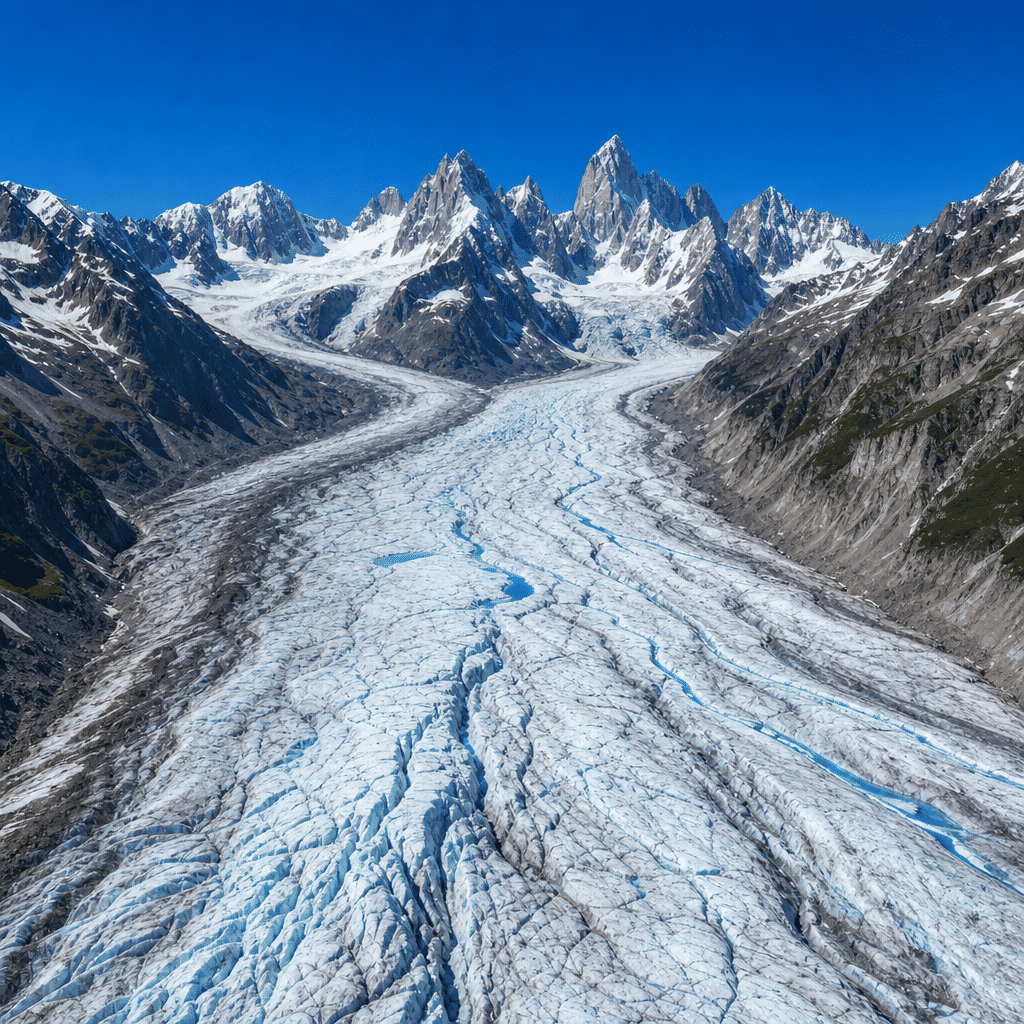
Climate change has emerged as one of the most significant challenges of our time, with glaciers serving as crucial indicators of the shifting state of our planet's climate system. Recent studies have provided alarming insights into how rising global temperatures are accelerating glacier melting rates, an issue with extensive ramifications for ecosystems and human societies worldwide.
Glaciers, often described as nature’s reservoirs, store a significant portion of the world's freshwater. They have historically melted and reformed, providing a steady source of water for rivers, agriculture, and consumption. However, the rapid rate at which they are currently diminishing is unprecedented in recorded history and has profound implications for both local and global environments.
One of the most direct impacts of accelerated glacier melting is the rising sea level. As glaciers recede, the water they contain flows into oceans, gradually causing sea levels to rise. This poses a threat to coastal communities and ecosystems, increasing the risk of flooding and erosion, and endangering habitats vital for wildlife. Small island nations and low-lying coastal areas are particularly vulnerable, often facing existential threats due to the encroaching sea.
The melting of glaciers also disrupts freshwater ecosystems. In areas heavily reliant on glacier-fed rivers for drinking water, agriculture, and hydroelectric power, reduced water availability can lead to conflicts over resources. Regions in Asia, Europe, and parts of South America, where large populations depend on glacier runoff, face increased risk of water shortages during the drier months when snowmelt is a critical water source.
Moreover, the retreat of glaciers has significant implications for biodiversity. As these icy expanses disappear, the unique cold ecosystem they support also declines, threatening species that are adapted to these environments. This can lead to a decrease in biodiversity and a loss of species that may have no other habitats to survive in, affecting not only local ecosystems but also the global biodiversity balance.
Research also highlights how changes in glacier size and distribution affect atmospheric and oceanic patterns. The influx of freshwater into ocean currents can alter their flow, potentially disrupting global climate systems like the Gulf Stream. Such shifts might lead to changes in weather patterns, affecting agriculture, wildlife, and human populations far removed from the glaciers themselves.
Addressing the impact of climate change on glacier melting requires concerted global effort. Mitigating actions include reducing greenhouse gas emissions, transitioning to renewable energy sources, and implementing policies aimed at preserving vulnerable ecosystems. Furthermore, increasing investments in climate research can help us better understand these processes and develop advanced predictive models to anticipate future changes.
Public awareness and education are also vital in driving grassroots initiatives to combat climate change. By fostering a global sense of collective responsibility, individuals, communities, and nations can work together to implement solutions that extend beyond political and geographical boundaries.
In conclusion, the accelerated rate of glacier melting, driven by rising global temperatures, is a clear signal of the urgent need for action against climate change. The consequences of inaction are dire, impacting not just remote icy realms, but resonating throughout the planet's ecosystems and human societies. Addressing this challenge is not just an environmental necessity but a moral imperative to ensure a sustainable future for all living beings on Earth.